Air Fryer Safety Standards Explained for B2B Buyers
The global demand for air fryers continues to surge, making them a cornerstone of any profitable kitchen appliances product line. For B2B buyers, sourcing these products isn't just about finding the lowest price; it's about securing reliable, safe, and compliant products that protect your brand and ensure customer satisfaction. Understanding the critical air fryer safety standards is the first step in making an informed, low-risk procurement decision.
Why Air Fryer Safety is a Top Priority for B2B Procurement
As an importer or distributor, product recalls are a nightmare scenario. They result in massive financial losses, logistical headaches, and irreparable damage to your brand's reputation. A thorough grasp of safety certifications allows you to vet manufacturers effectively, minimizing risk and ensuring the products you ship are built to last and operate safely in consumers' homes. This knowledge is a powerful tool in negotiations and supply chain management.
Key International Safety Certifications and What They Mean
Certifications are not just stickers on a box; they are a manufacturer's declaration that their product has passed rigorous tests. For the European and many other international markets, two certifications are non-negotiable.
CE Marking (European Conformity)
The CE mark indicates that an air fryer meets the high safety, health, and environmental protection requirements set by European legislation. For air fryers, this primarily falls under the Low Voltage Directive (LVD) 2014/35/EU and the Electromagnetic Compatibility (EMC) Directive 2014/30/EU. This means the appliance has been tested for electrical safety and will not interfere with other electronic devices.
RoHS Compliance (Restriction of Hazardous Substances)
The RoHS directive restricts the use of ten specific hazardous materials in the manufacture of electronic and electrical equipment. This includes lead, mercury, and cadmium. Compliance ensures that the air fryer is safer to use and, importantly, much safer to dispose of at the end of its life cycle, which is an increasingly important consideration for consumers and regulators.
Other Regional Certifications
Depending on your target market, other certifications are critical. For North America, look for ETL/UL certification (Underwriters Laboratories). For the UK, the UKCA mark is now required. Always verify that your supplier's certifications are authentic and from a recognized testing body, not self-declared.
Technical Safety Features to Look For in Your Sourcing
Beyond certifications, the physical design of the air fryer must incorporate key safety features. These should be non-negotiable points during your factory audit and product sampling process.
- Automatic Shut-Off and Overheat Protection: The unit must automatically power down when the timer ends or if the internal temperature exceeds safe limits, preventing a fire hazard.
- Cool-Touch Exterior and Handles: During operation, the external surfaces and handle must remain at a safe temperature to prevent user burns. This is a fundamental safety requirement.
- Secure Basket Locking Mechanism: The frying basket must lock securely into place to prevent accidental spills of hot food or oil. A poorly designed latch is a common point of failure.
- Stable Base and Non-Slip Feet: The appliance must be stable on a countertop to prevent it from being easily tipped over.
Common Sourcing Mistakes and How to Avoid Them
Many wholesalers focus solely on cosmetic features and price, overlooking the critical engineering that ensures safety. A common mistake is accepting a manufacturer's word without verifying certification documents. Always request and independently verify the test reports and certificates for each product model. Another error is not considering the entire wholesale product list from a supplier; a manufacturer that produces a wide range of certified appliances is often more reliable than one with a single, cheap model.
Beyond Safety: Key Procurement Considerations
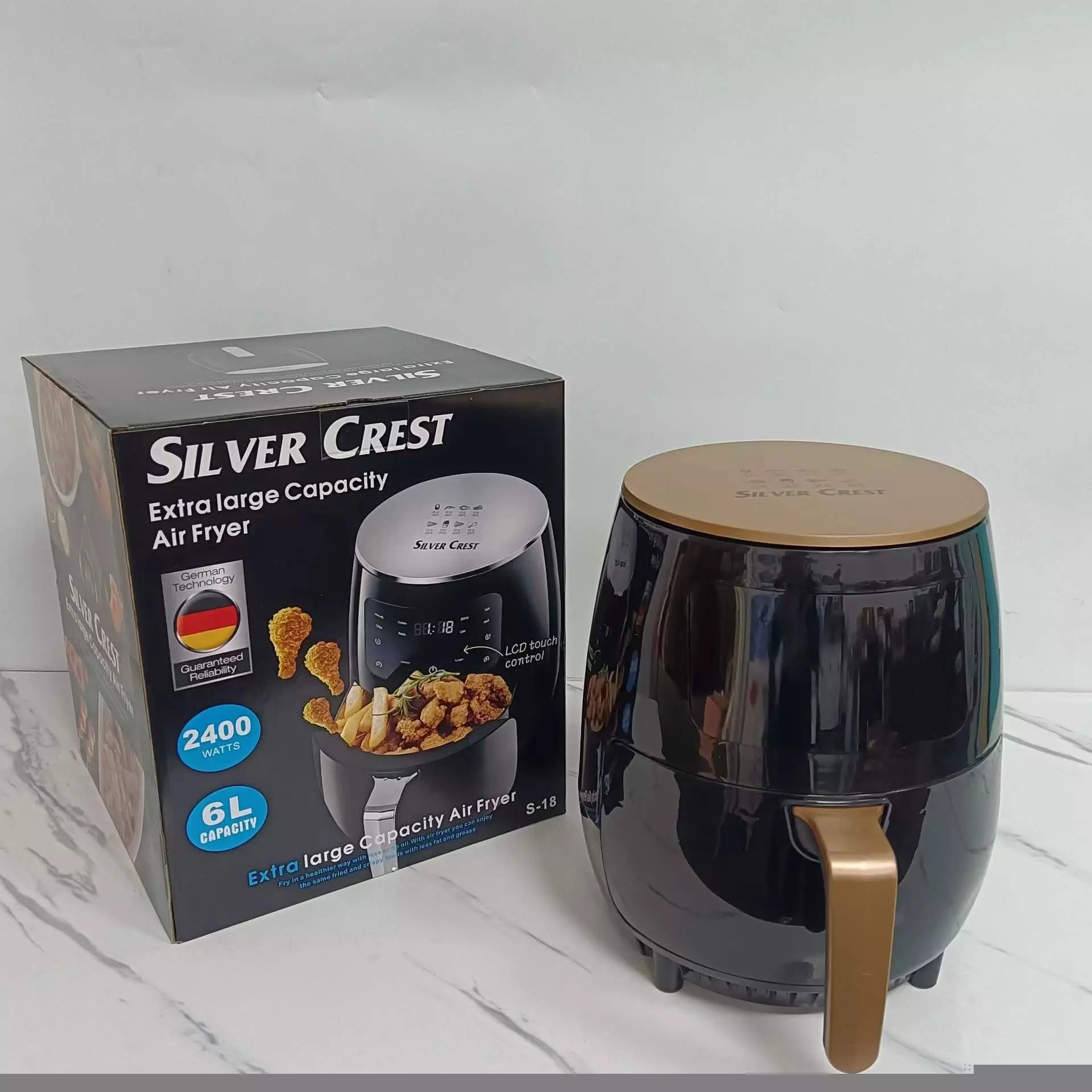
While safety is paramount, other factors determine a product's success in your market. Consider capacity (3L for singles, 5L+ for families), power (typically 1500W-1800W for rapid heating), and ease of cleaning (non-stick, dishwasher-safe baskets). Material quality is also crucial; the inner basket and heating element should be made from high-grade, food-safe materials that resist corrosion and wear. A good example of a model that balances these features with robust safety is this wholesale 8L full automatic oil-free electric air fryer, which includes a transparent view for monitoring food.
MOQ, Pricing, and the Advantage of OEM/ODM Services
Minimum Order Quantities (MOQ) can vary significantly. Larger, established factories may have higher MOQs but offer greater consistency and reliability. Pricing should be competitive but not suspiciously low, which is often a red flag for substandard materials and skipped safety tests. Partnering with a manufacturer that offers OEM (Original Equipment Manufacturing) and ODM (Original Design Manufacturing) services allows you to customize products and packaging, creating a unique brand identity while still benefiting from their engineering expertise and certified production lines.
Why Partnering with a Certified Source Factory Matters
Sourcing directly from a certified factory, rather than a trading company, provides greater control over the production process, ensures consistent quality, and often results in better pricing. It allows for direct communication with engineers about safety protocols and product specifications. This partnership model is essential for building a sustainable and trustworthy supply chain for your air fryer business.
Understanding air fryer safety standards is a critical component of smart B2B procurement. It protects your business, your customers, and your bottom line. By prioritizing certified, well-designed products from reputable factories, you build a foundation for long-term success in the competitive home appliances market. For bulk pricing and to discuss your specific sourcing needs, contact us to request a quote today.
Related Products
You might also be interested in these products